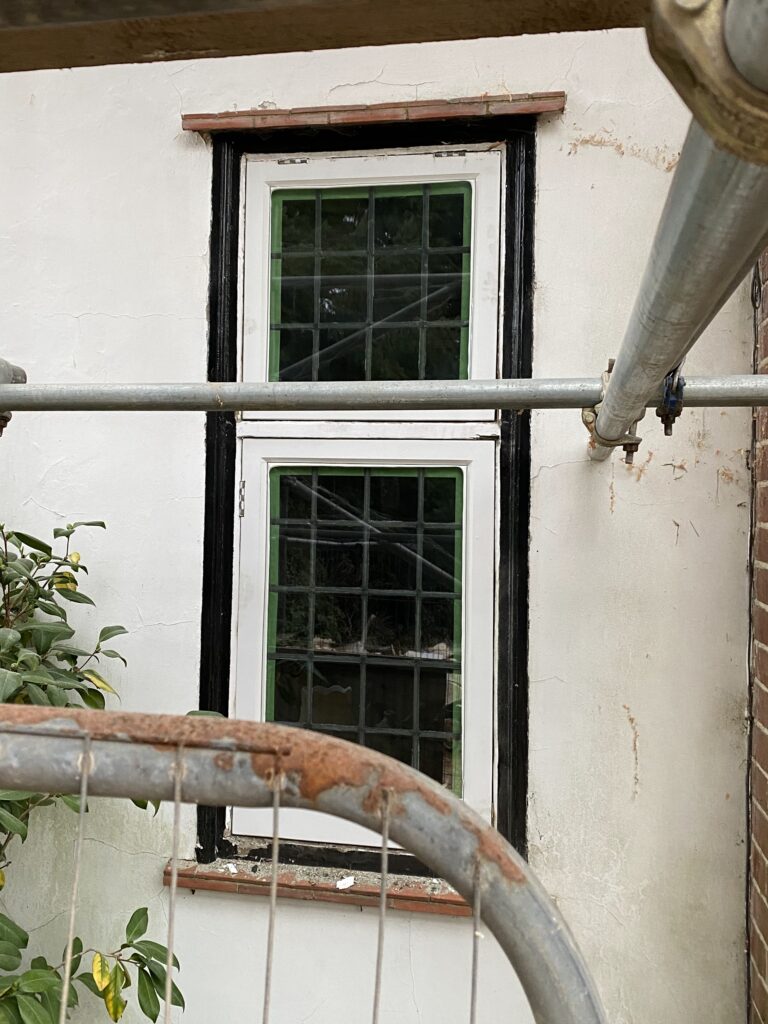
A Common Problem in Preserving History Without Losing Heat
The practice of maintaining historical buildings faces a major challenge when it comes to thermal insulation.
Period homes and churches and civic buildings in the country have stained glass windows as their essential architectural feature.
The windows display artistic beauty through their colours and craftsmanship yet their single-glazed design creates insufficient thermal performance.
The standard method for protecting stained glass panels has been to use stained glass encapsulation which involves sealing the decorative element inside a double-glazed unit. The method provides weather protection but it requires expensive materials that can damage the artwork.
What Is Stained Glass Encapsulation?
The original stained glass becomes sealed between two sheets of clear toughened glass to create a protected insulated unit through encapsulation. The stained panel effectively becomes a decorative middle layer within a modern IGU (Insulating Glass Unit).
The method gained popularity during the 1990s and 2000s because double glazing became standard practice in heritage restoration work.

How It’s Done
The typical procedure for encapsulation includes the following steps:
- Removing the stained glass from its frame.
- The panel needs to be cleaned and flattened to fit into a standardized unit.
- Sandwiching it between two panes of low-iron or toughened glass.
- Sealing the edges with butyl and polysulphide (standard IGU sealants).
- The encapsulated unit needs to be installed back into a frame that has been modified or built from scratch.
The result resembles a double-glazed window but contains the original stained artwork within.
Benefits of Encapsulation
- The outer pane serves as a protective barrier which safeguards delicate leadwork and painted glass from environmental damage.
- The air or argon cavity functions as a sound barrier which diminishes the amount of noise that passes through.
- The thermal performance of typical U-values ranges from 1.2 to 1.4 W/m²K while single glazing operates at 5.0 W/m²K.
- The outer glass becomes toughened which makes it harder to break.
- The stained glass requires less maintenance because it no longer faces direct exposure to weather conditions.
Drawbacks and Limitations
1. The price of the product remains excessively high
Because encapsulation requires removal, restoration, and re-glazing, it’s labour-intensive and costly — often £1,000–£1,500 per m² for heritage work (GGF guideline estimates).
2. Alteration of Original Glass
The physical properties of the window undergo changes when you apply encapsulation. The stained glass is sealed between layers, muting its colours and texture due to extra reflections.
3. Conservation Concerns
Heritage bodies like Historic England often discourage encapsulation for listed buildings because it permanently alters and stresses the lead cames.
The moisture inside the unit will speed up internal corrosion when the sealant fails or the unit stays wet during assembly.
4. Bulk and Weight
The heavy and thick dimensions of encapsulated units (20-28 mm) require new framing or deeper rebates which frequently do not fit with existing fine joinery.
5. Difficult Repairs
The entire assembly needs replacement when the IGU seal fails which can result in damage to the stained glass during the process.
Alternative: Exterior Glazing with VIG
What Is Vacuum Insulated Glass?
VIG is an advanced form of double glazing that replaces the usual air or gas cavity with a vacuum. The two glass panels maintain a microscopic distance of 0.3 mm through sealed support pillars which form a hermetic seal around the edges. The vacuum prevents heat from moving through convection.
Typical thermal performance:
- U-value: as low as 0.4–0.7 W/m²K
- Total thickness: only 6–8 mm
(Source: Pilkington Spacia, AGC Fineo, and GGF data)


How Exterior VIG Glazing Works for Stained Glass
Rather than dismantling the original stained glass, it stays untouched in its existing frame on the inside.
A slim VIG unit is then installed externally.
This arrangement:
- Keeps the stained glass visible exactly as intended from the interior.
- Adds modern insulation without altering the artwork.
- Creates an airtight and reversible protective envelope.
Advantages of Exterior VIG Glazing
1. No Alteration of Heritage Glass
The stained glass remains in its original lead and frame — no removal, no flattening, no encapsulation.
2. Outstanding Energy Performance
VIG provides double or triple-glazing-level insulation in a fraction of the thickness. The system shows better thermal performance than encapsulated units.
3. Slim, Discreet Appearance
At only 6–8 mm thick, VIG glazing can be fitted externally or internally with minimal impact on sightlines.
4. Lower Cost
The installation process requires basic skills and does not require any structural changes to the building. The expenses for these services run about 40 to 50 percent less than encapsulation services.
5. Fully Reversible
The unit allows for independent removal when replacement becomes necessary which represents a fundamental requirement of heritage conservation.
6. Acoustic and Weather Protection
VIG secondary glazing together with the existing stained glass provides excellent soundproofing and draught elimination.
Side-by-Side Comparison
| Feature | Stained Glass Encapsulation | VIG Exterior Glazing |
| Alters Original Glass | Yes | No |
| Typical U-value | 1.2–1.4 W/m²K | 0.4–0.7 W/m²K |
| Thickness | 20–28 mm | 6–8 mm |
| Cost | High | Lower |
| Conservation-approved | Often restricted | Generally acceptable (reversible) |
| Maintenance | Complex | Simple |
| Risk to Artwork | Moderate to High | Minimal |
| Lifespan | 15–25 years | 25–40 years+ |
Perfect for Heritage and Period Properties
The ideal application of VIG secondary glazing exists for the following cases:
- Churches and chapels with valuable stained glass.
- Listed buildings where alterations are tightly controlled.
- Victorian and Edwardian homes retaining decorative coloured panes.
- Museums or public halls where authenticity is essential but comfort matters.
The system provides all the advantages of modern insulation while keeping the historical structure intact.
Sustainability and Energy Efficiency
Because VIG uses far less material and lasts longer than conventional IGUs, it has a lower lifetime carbon footprint.
The process of upgrading heritage windows through this method enables older buildings to meet Part L energy-efficiency standards and enhance EPC ratings while safeguarding their original structure which results in dual benefits for preservation and environmental protection.
In Summary
The technique of stained glass encapsulation protects artwork but it introduces several disadvantages including expensive costs and heavy materials and permanent changes to the artwork.
The thermal performance of VIG glazing matches and surpasses that of stained glass without requiring any modification to the stained glass.
This method provides a more affordable and reversible solution which meets conservation standards.