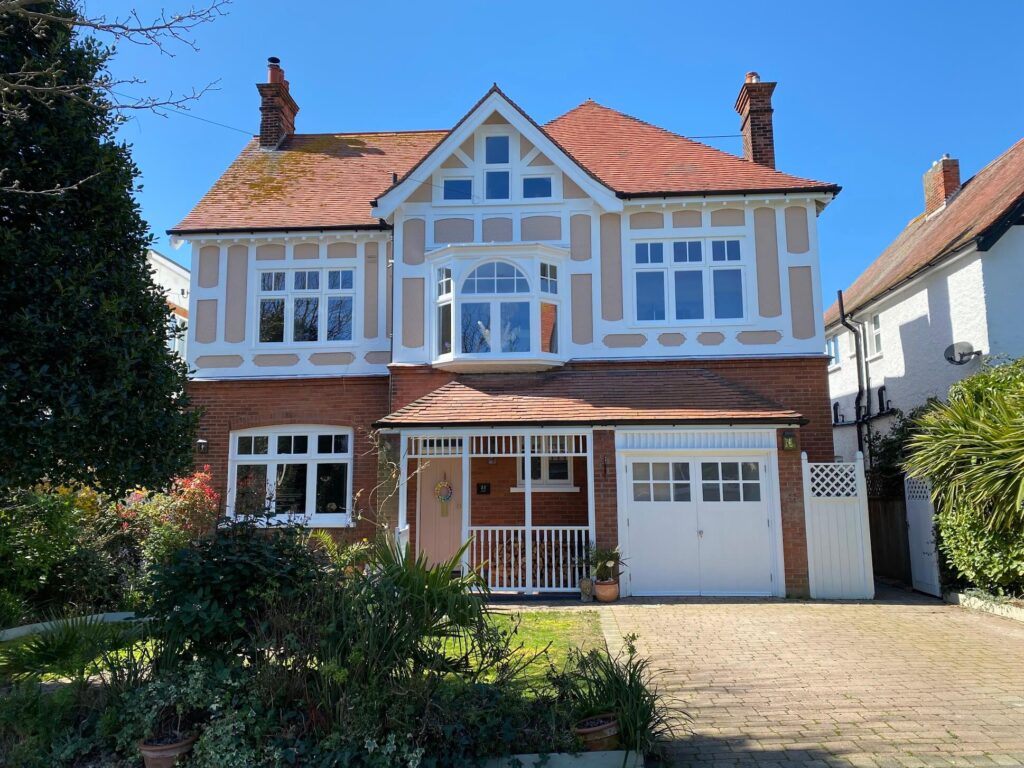





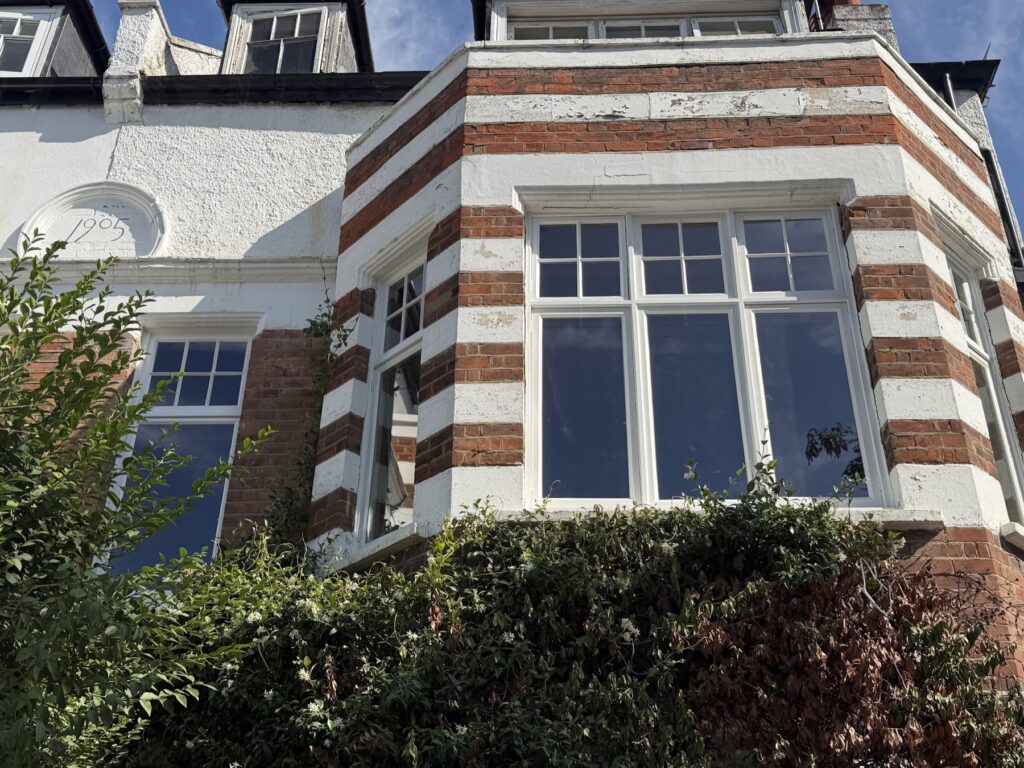
Sash window reglazing and repair in Chiswick: two Edwardian casement bays and the rear sashes, W4
15 Sep
Double glazing your existing sash windows means keeping the sashes, the box frames and the glazing bars you already have, and fitting a vacuum-insulated double-glazed unit where the single pane used to be. The unit is about 8mm thick.
The sash is rebated a little deeper to take it, the weights and cords are rebalanced for the heavier glass, and the window goes back into the same opening looking exactly as it did. From the street, nobody can tell.
It is one of four ways to get double glazing into a period house: reglazing the original sashes (what we do), new double-glazed sashes hung in your original box, full replacement windows, or secondary glazing fitted inside the room.
This page is about the first: what it costs, what permission it needs, and where it beats the other three.
20-year guarantee on parts repaired with Accoya or Tricoya · 15–25-year manufacturer guarantee on the vacuum glazing · Projects across 12 counties · See our reglazing case studies
Most people ring us having been told by a replacement-window firm that the only way to a warm house is new windows.
It isn’t. There are four routes, and they are not equal.
Reglazing the original sashes. Your sashes come out, get repaired, are rebated deeper and take a vacuum-insulated unit about 8mm thick.
The box, the sashes, the bars and the mouldings all stay.
Because the glazing is replaced inside the frame you already have, Approved Document L does not treat it as a controlled fitting, and for planning it normally counts as repair rather than development.
This is our work, and it is the route the rest of this page describes.



New sashes in the original box. A joinery workshop makes new double-glazed sashes to hang in your existing box frame.
You keep the box and the reveal, but the original sashes, their glass and their glazing-bar profiles go. It is not something we do.
Full replacement. The whole window comes out, box and all, and a new timber or uPVC unit goes in.
A replacement window is a controlled fitting under Part L, so it has to meet the current thermal standard and be notified, and a uPVC window in a listed building will in many cases not get consent.
Your home’s character goes in the skip with the old frames. We don’t fit new windows.
Secondary glazing. A second pane on its own frame, fitted inside the room, leaves the outside untouched but changes the inside: opening the window becomes a two-step job and you lose the sill.
It has a place on the odd window that cannot take a vacuum unit, but it isn’t our work either, and many of our customers ask us to take theirs out once the sashes are reglazed.

Reglazing starts from £1,100 per window, and most windows land between £1,100 and £1,600.
That is the full package: the timber repaired and any rot cut back to sound wood and spliced with Accoya or Tricoya, the sash rebated to take the unit, the vacuum unit itself, the weights and cords rebalanced for the heavier glass, new staff bead and parting bead with brush-pile draught-proofing, and priming.
Every window is quoted individually after the survey, and Georgian sashes are priced separately from Victorian because the bar work takes longer.
| What you’re buying | Per window |
|---|---|
| Full package: restoration, reglazing with a vacuum unit, draught-proofing, priming | from £1,100, typically £1,100–£1,600 |
| Restoration only, no reglazing | from £700, typically £820–£960 |
| The draught-proofing element on its own | £260–£360 |
Two things to know before you compare quotes.
Painting is not included: both packages are priming only, and exterior painting is an optional extra rather than part of the estimate.
And reglazing costs around 30% more than restoration alone, which matters if you’re tempted to restore now and add the glass later.
Deferring the reglaze means paying for most of the restoration twice, because the sash has to come out again, be rebated deeper and be rebalanced with new pocket weights and cords to carry roughly twice the weight of glass.
Only the rot repair is genuinely done once. Our full sash window repair prices are published, so you can see where every pound goes.
VAT is split, and most firms quote one rate for everything.
Draught stripping is zero-rated until 31 March 2027 and 5% after that; cords, pulleys, rot repair and decoration stay at 20%.
We’ve set out how the zero rate works separately.
The guarantee is 20 years on timber repaired with Accoya or Tricoya, and Accoya’s own guarantee against rot runs 50 years.
The vacuum units carry their makers’ guarantees, which run 15–25 years depending on the product.
The short version: reglazing inside your existing frames is a repair, so in a conservation area you usually need no application at all, and in a listed building you usually need listed building consent, which we help you apply for.
Conservation areas. The Town and Country Planning Act 1990 says works that don’t materially affect the external appearance of a building are not development, and like-for-like reglazing inside retained frames normally falls the right side of that line.
Councils differ, and some conservation areas carry an Article 4 Direction that removes permitted development rights, so the first job is to check yours.
Where you want it in writing, a lawful development certificate settles it.
Our guide to conservation area windows goes through it in detail.
Don’t take a replacement firm’s word that glazing in a conservation area needs an application every time; it usually doesn’t.
Listed buildings. Listed building consent is a separate regime from planning and can cover repairs as well as alterations, so for a change of glazing you should assume consent is needed in most cases.
The good news is that reglazing inside the original frames has a better chance than a full replacement, because the officer is looking at the same window afterwards, and in our experience a high proportion of applications are approved.
We help with the application, and nothing goes on order until the approval is in.
Listing runs building by building, so a terrace can be part listed: check the register before you assume either way.
There is more on reglazing windows in Grade II listed houses.
Building Regulations. Part L applies to replacement windows, which are controlled fittings and must meet the current thermal standard and be notified.
Approved Document L is explicit that replacing the glazing in an existing frame is not a controlled fitting, so retrofit reglazing sits outside it.
Trickle vents are the same story: the requirement attaches to replacement windows, not to reglazing, whatever you may have been told.
Flats. The permitted development rights above belong to houses; flats have none, so a flat needs planning permission for window changes whatever the area.
We don’t take on flats in any case, because all of our work is done at the property and needs garden or yard space for the benches. Flats, sadly, don’t give us the room.
The job runs in a fixed order, and the order is what keeps your windows in one piece.
An initial estimate usually comes from the property listing or Google Maps, with no visit needed, once we know the postcode and roughly how many windows there are.
The quote meeting is where every window is surveyed and the glass measured, in the same visit, and a fixed written quotation follows within five days.
Once you accept, the vacuum units go on order.
They are made to measure and take about six weeks, and nothing on the house is touched during the wait.
Then the work itself. A team of three or four works at the house under a mobile gazebo.
Sashes come out from inside the room in the morning, are repaired, rebated, reglazed, rebalanced and draught-proofed, and go back in the same day, so no opening is ever left open overnight.
Every sash is numbered to its own opening. That repeats each day until the last window is done, and the 20-year guarantee starts on completion.
Because the measuring happens at the quote meeting, the six-week wait for glass falls before we arrive, not in the middle of the job with your windows in pieces.
And in 95% of cases there’s no scaffolding: we work from ladders and towers, and the sashes come out from inside.
If you keep your original sashes and only change the glass, you don’t have many choices, because a rebate cut for a single pane will not take the sealed unit you’d find in a modern window.
Two types of glazing are thin enough to consider.
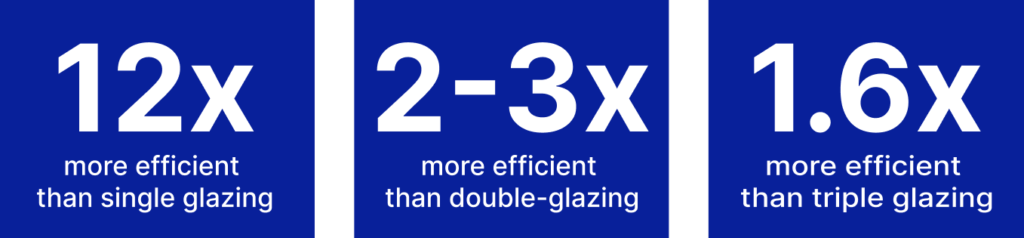
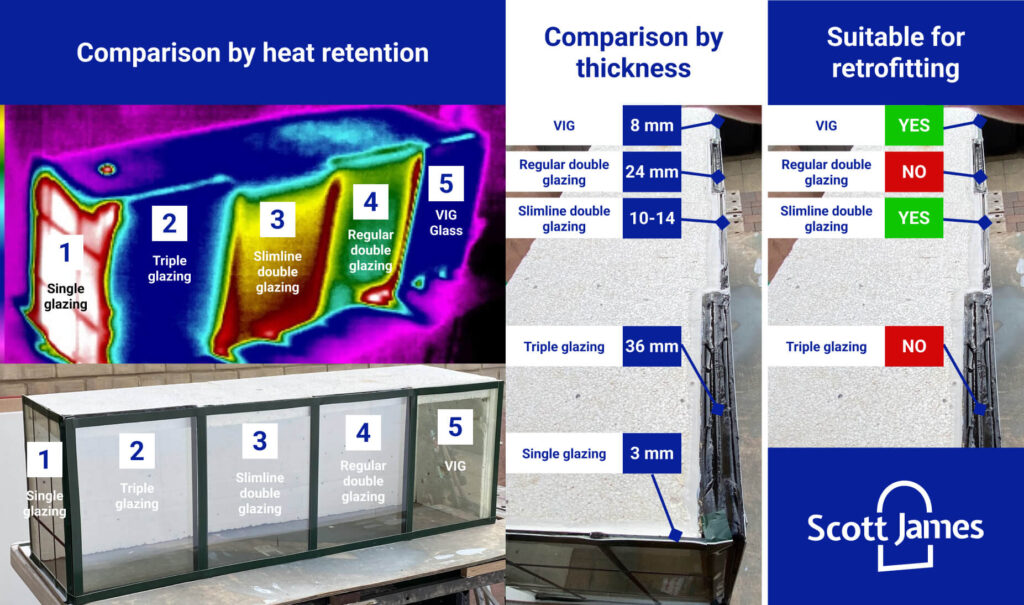
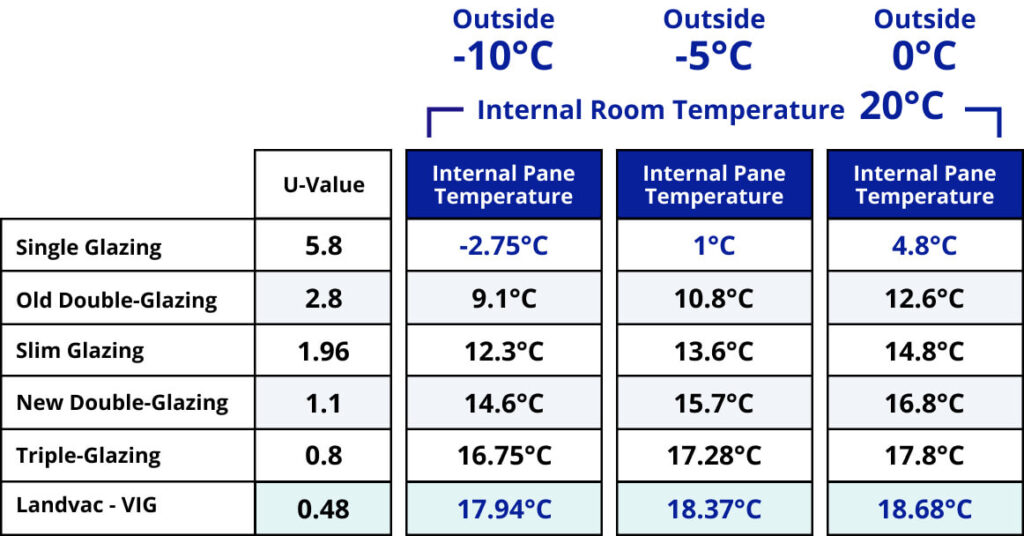
Vacuum-insulated glazing (VIG) is what we fit: two panes with a vacuum between them instead of gas, about 8mm thick in total, and 8–12 times more efficient than the single pane it replaces.
A vacuum barely conducts heat, which is how a unit this thin reaches a centre-pane U-value comparable to modern triple glazing.
We fit Fineo, LandVac, Haanglas and Werkman units depending on the window.
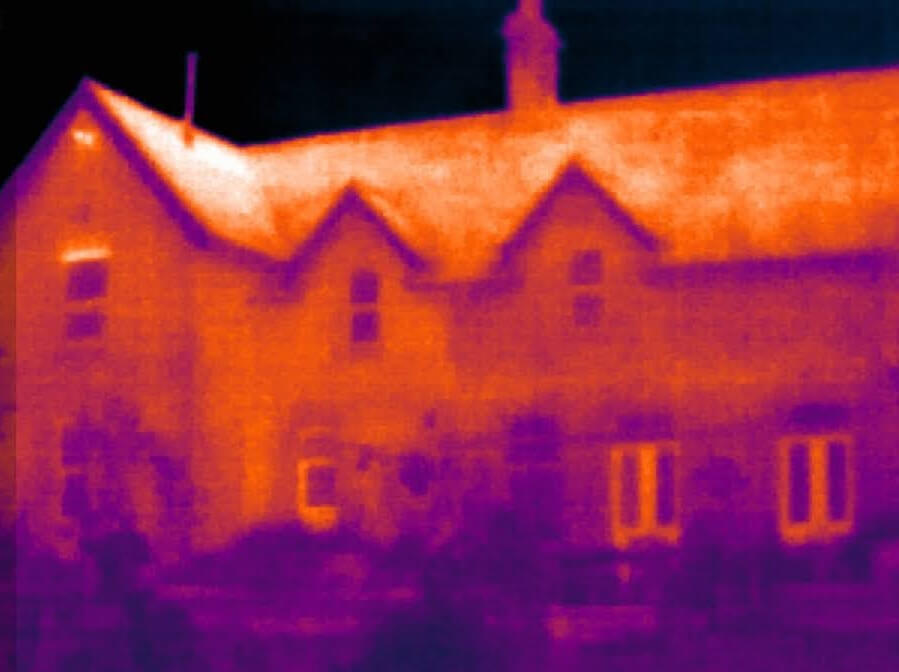
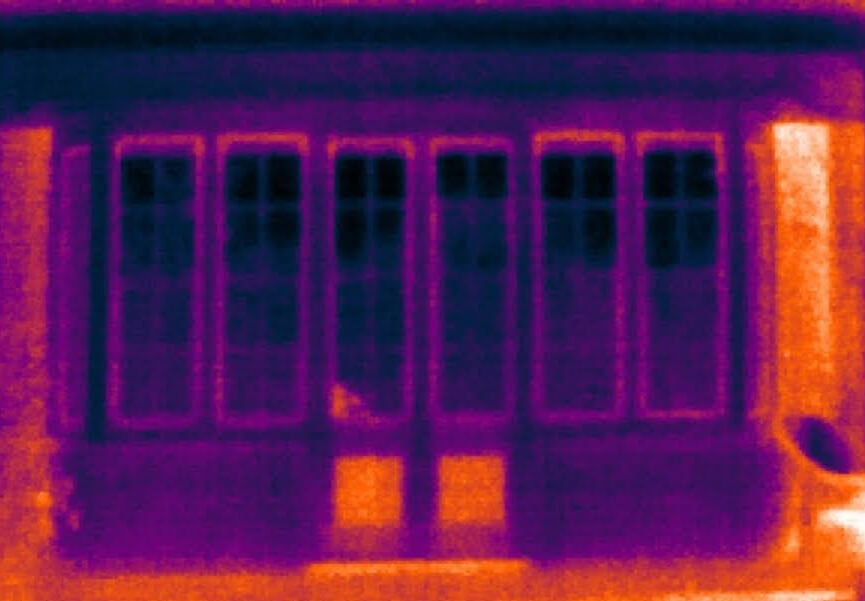
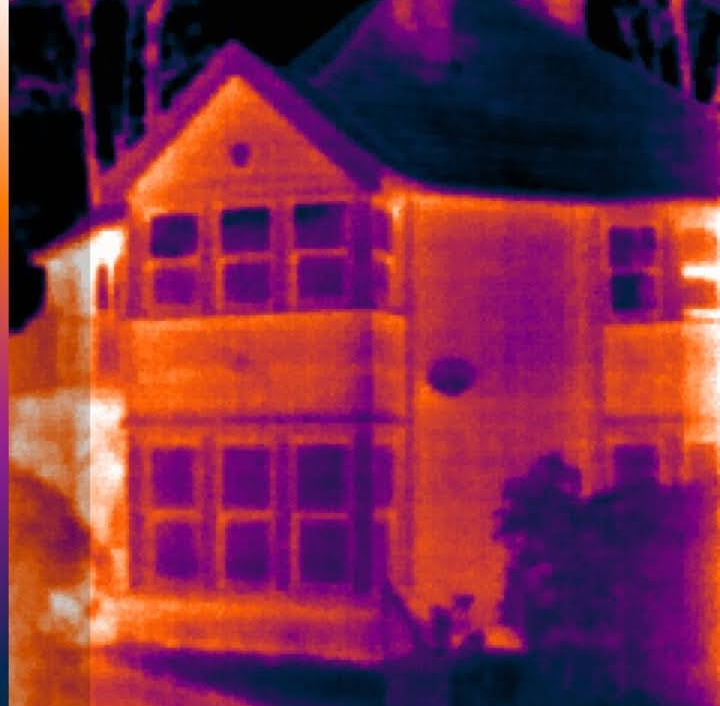
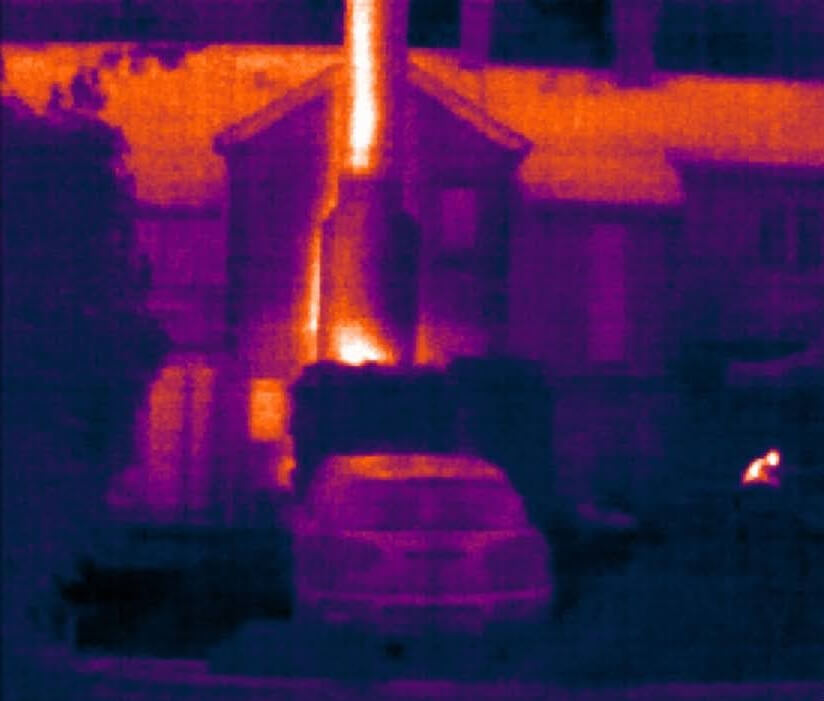
LandVac against Fineo and our glazing comparison go through the differences, and the thermal images further down the page show what it does in a real window.
Slimline sealed units were the retrofit option before vacuum glass: a normal gas-filled double-glazed unit with the gap squeezed down.
To reach a heritage sightline the edge sealant is cut back to about 2mm, and a unit built that way then needs a drained and ventilated rebate to survive, which a putty-glazed sash does not have.
That is the real argument for vacuum units in original sashes, and the reason slimline glazing for listed buildings is a compromise we’d rather not make.
Three details decide whether a retrofit lasts:
The units arrive on a pallet, at our premises or at the house, and the reglazing happens there rather than in a workshop.

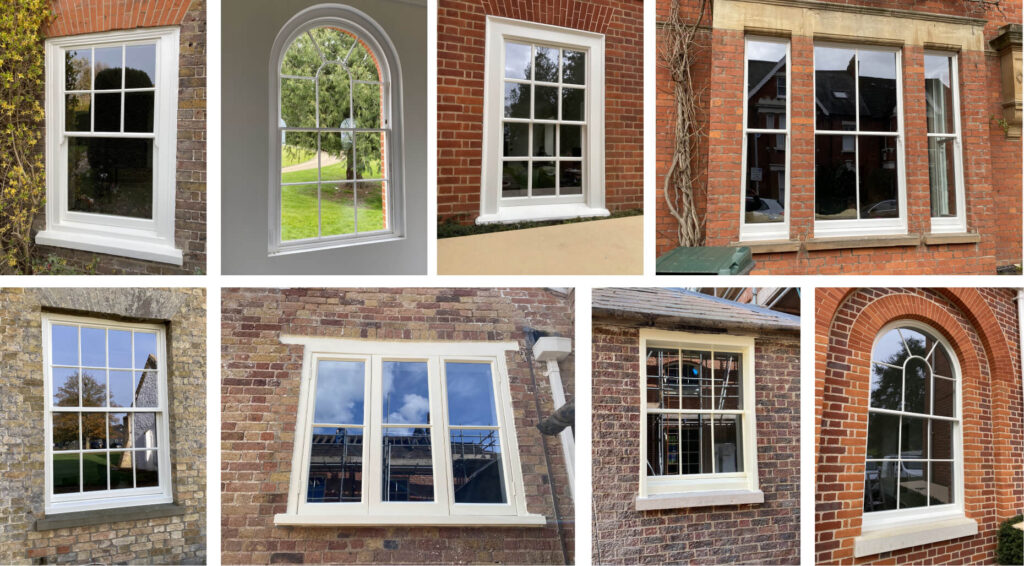
Anything with a wooden frame and glass. The name says sash, but the same package goes into casement windows, bays, gothic and arched windows, leaded lights, French doors and conservatories.
Glass in a door at low level is a critical location and goes in as toughened or laminated.
Georgian windows, with their many small panes, are quoted separately from Victorian because the bar work takes longer; our guide to Georgian windows explains what to expect.
We take on houses with five or more timber windows across twelve counties in London, the South East and the East of England, and because the reglazing happens at the house, we need garden or yard space to work in.
Yes. We keep your original box frames and sashes and change only the glazing, from a single pane to a vacuum-insulated unit about 8mm thick. The sash is rebated a little deeper to take it, then repaired, draught-proofed, primed and rehung in the same opening. Nothing about the window’s appearance changes, from the street or from the room.
Yes, every time. A vacuum unit weighs roughly twice the single pane it replaces, so we add pocket weight and fit new cords to every sash we reglaze. It is part of the package, not an extra. Skipping it is the most common failure in retrofit reglazing, and it is the reason a properly reglazed sash slides better afterwards than it did before, not worse.
Usually not. Reglazing inside your existing frames doesn’t materially change the outside of the building, so it normally counts as repair rather than development. Check whether your conservation area has an Article 4 Direction, because that changes the position, and ask the council for a lawful development certificate if you want it in writing. A full replacement is a different matter.
Yes, with listed building consent, which you should assume you need in most cases. Reglazing inside the original frames has a better chance of approval than replacement, because the window the officer sees afterwards is the same one. We help with the application, and the units are not ordered until the approval is in, so nothing is at risk while you wait.
Yes. Any original wooden window or door can be reglazed with the same vacuum units: casements, bays, arched and gothic windows, leaded lights, French doors and conservatories. Glass at low level in a door is a critical location, so it goes in as toughened or laminated. The restoration, draught-proofing and priming come with it, exactly as for a sash.
For an original timber window, in almost every case. You keep the joinery, the glass performance is comparable to modern triple glazing, the work sits outside Part L’s controlled-fitting rules, and consent is easier where it’s needed. Replacement only makes sense when there is nothing left to save. Our repair or replace guide weighs the two up properly.
Timber, because it’s the only material we work on. A uPVC sash, even in a traditional style, changes the look of the house, and in many listed buildings it will not get consent. Reglazing your existing timber sashes gives you the thermal performance without the change of face, and without a controlled fitting to notify.
Detailed thermal photographs displaying the reduction in heat loss.
VIG glazing is more efficient than standard triple glazing.